Skip to content

Advertorial — Sponsored Content

Editorial independent of advertisers. We may earn compensation from featured installers. Individual results vary.

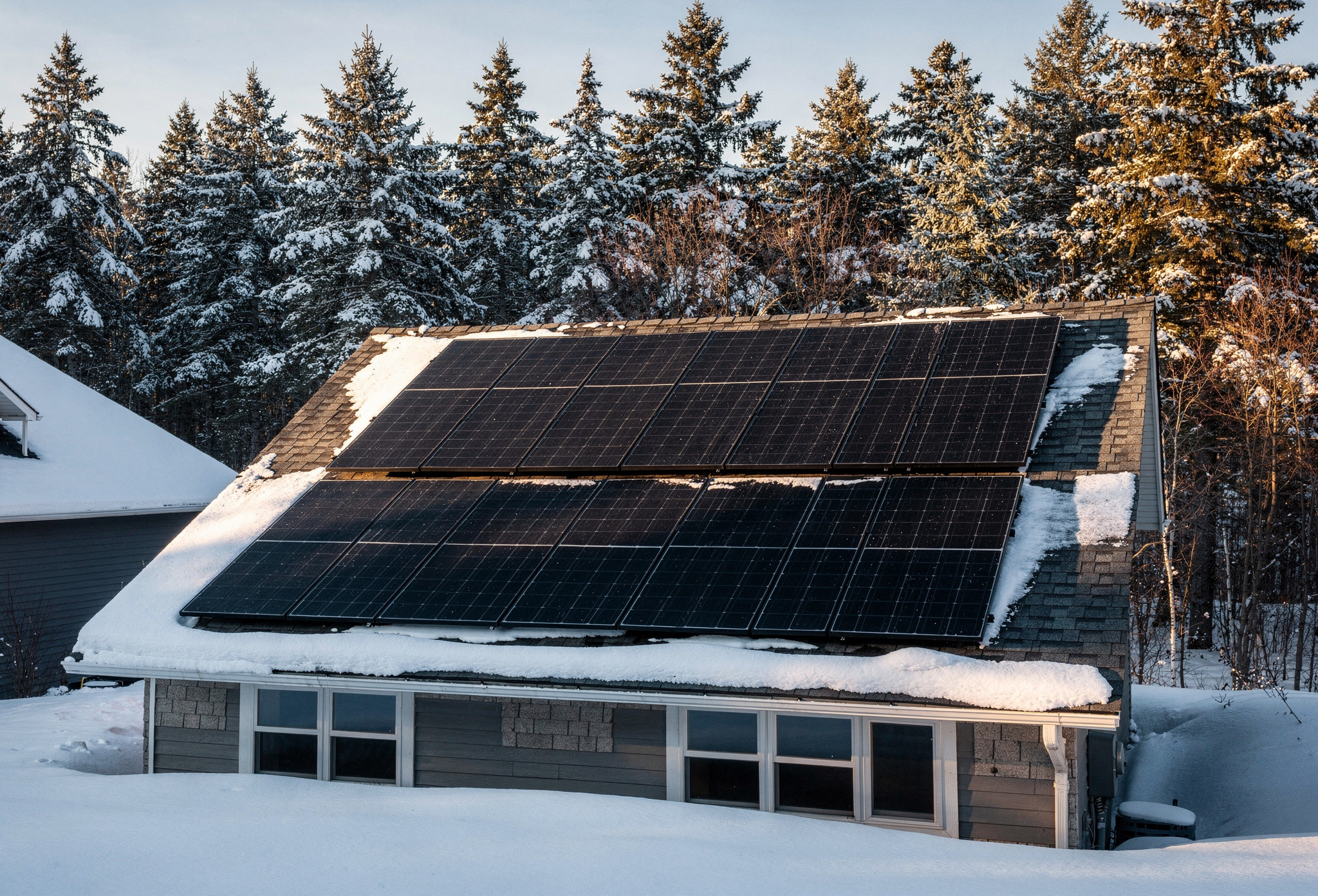
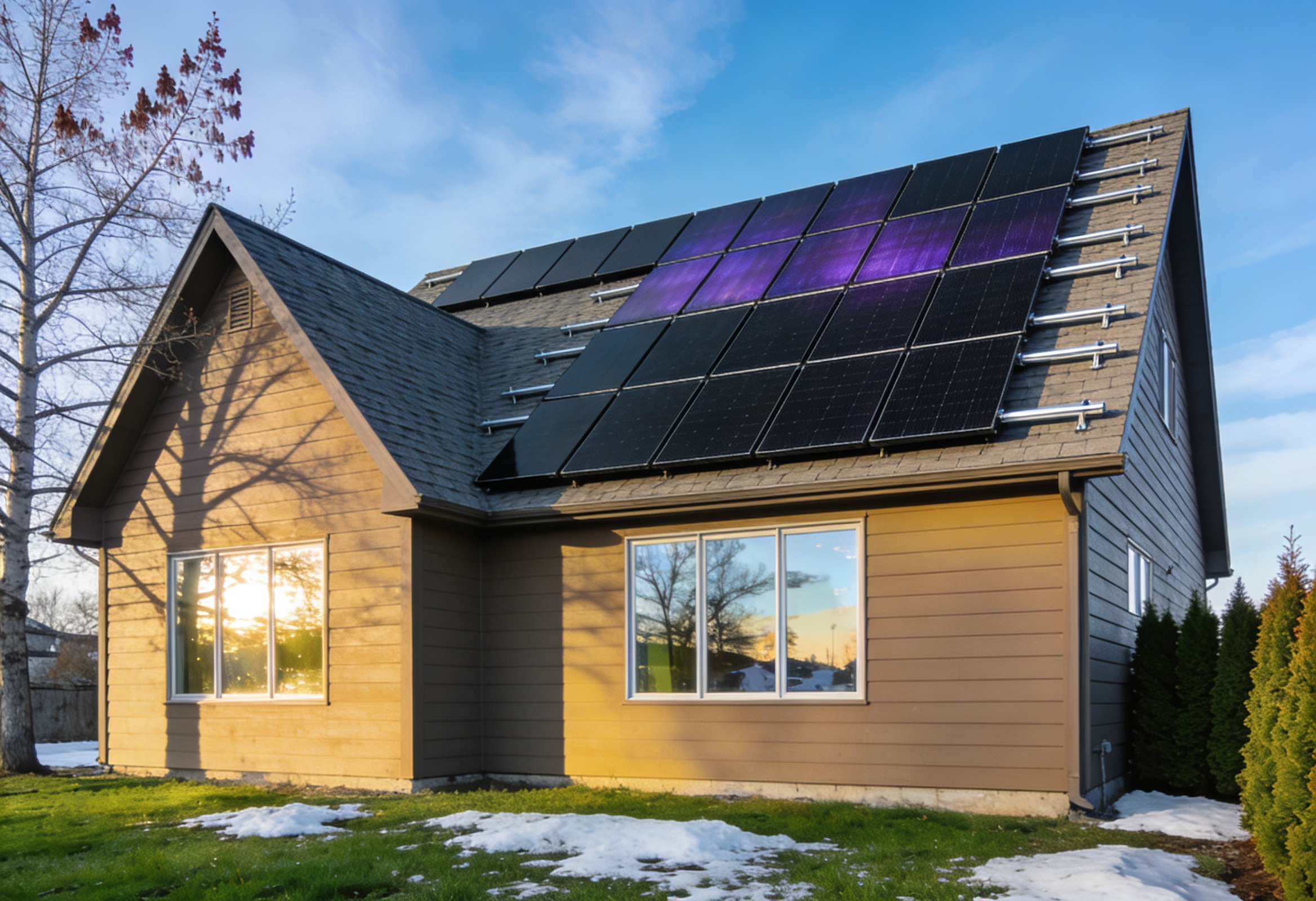
Solar panels dusted with snow on a Canadian house roof under a winter sky
A Rising Trend

The Canadian Home, Powered by Light and Secured for the Future

In 2026, a growing number of Canadian families are turning to residential solar in pursuit of long-term energy independence — and for the first time, the economics are coming within reach for average households, not just early adopters.

Get the Free Checklist

Individual results vary.

Why 2026 Is Different

For years, rooftop solar in Canada was treated as a premium purchase — sensible for the environmentally minded, but hard to justify on cost alone. That calculation is shifting. A combination of falling equipment prices, refreshed federal and provincial incentive programs, and steadily rising grid electricity rates has narrowed the gap between what a residential solar system costs and what it may save a household over its working life.

For the 2026 season, several provinces have updated how they treat residential solar — from property-tax treatment to rebate structures — in ways that can improve the long-term math for an average home. The sections below break down what a system may cost across five provinces, how the tax rules work, and what one Alberta couple experienced first-hand. Each figure is an estimate, and your own outcome will depend on location, roof condition, and how much energy your household uses.

Note: Projections may vary based on average rates.

Modern Canadian home with two rows of black solar panels on a clear spring morning

The True Cost of Ownership: A Five-Province Comparison

A side-by-side look at what a typical residential system may cost — and how long it might take to pay for itself — in five Canadian provinces. These are educational averages, not quotes.

Province Avg. System Size Installed Cost Range Available Rebate Est. Payback Period
Ontario 7.5 kW $19,000 – $27,000 Up to ~$5,000 (federal programs) ~9 – 12 years
British Columbia 6.5 kW $16,000 – $24,000 Up to ~$5,000 (CleanBC + utility) ~10 – 13 years
Alberta 8.0 kW $17,000 – $25,000 Municipal programs (varies) ~8 – 11 years
Quebec 6.0 kW $15,000 – $22,000 Net-metering credit (limited) ~12 – 16 years
Nova Scotia 7.0 kW $20,000 – $28,000 SolarHomes rebate (varies) ~9 – 12 years

Figures are illustrative provincial averages compiled for educational purposes and are not quotes. Actual system size, pricing, rebate eligibility, and payback depend on your location, roof condition, energy consumption, and current program rules. Individual results vary.

Property Tax Advantages: Ontario & BC Explained

Two provinces treat residential solar upgrades favourably when it comes to property assessment. Here is the plain-language version of how each works.

Ontario

In Ontario, adding a residential solar system generally does not raise the assessed value used to calculate your property taxes. The provincial assessment body does not typically reassess a home upward simply because rooftop panels were installed, so a homeowner can improve the property without triggering a higher annual tax bill tied to the solar upgrade itself.

Eligibility note: Applies to typical residential rooftop installations. Confirm current treatment with your municipality before you commit.

British Columbia

British Columbia offers a provincial sales-tax exemption on qualifying solar equipment, and a residential solar addition is generally not assessed as added taxable value in the way a major renovation might be. The result is that more of the system's value can work toward energy savings rather than higher annual carrying costs.

Eligibility note: The exemption applies to qualifying equipment. Verify current sales-tax rules and assessment treatment for your property.

Real Stories, Real Savings: Meet the Hendersons

One retired Alberta couple shares what changed after they installed a mid-range residential solar system.

Retired couple in their late sixties sitting together at a sunlit kitchen table
After we installed a mid-range system, our annual energy spend dropped more than we expected. It hasn't been magic — but two winters in, the bills tell their own story.
Margaret & Doug — Red Deer, Alberta

This reflects one household's experience and is not a guarantee of results. Energy savings depend on location, roof condition, system size, and consumption patterns. Individual results vary.

Panel Performance in Snowy Climates: Mono vs Poly

Two panel technologies dominate Canadian rooftops. Here is a neutral look at how each tends to behave through a cold, snowy season.

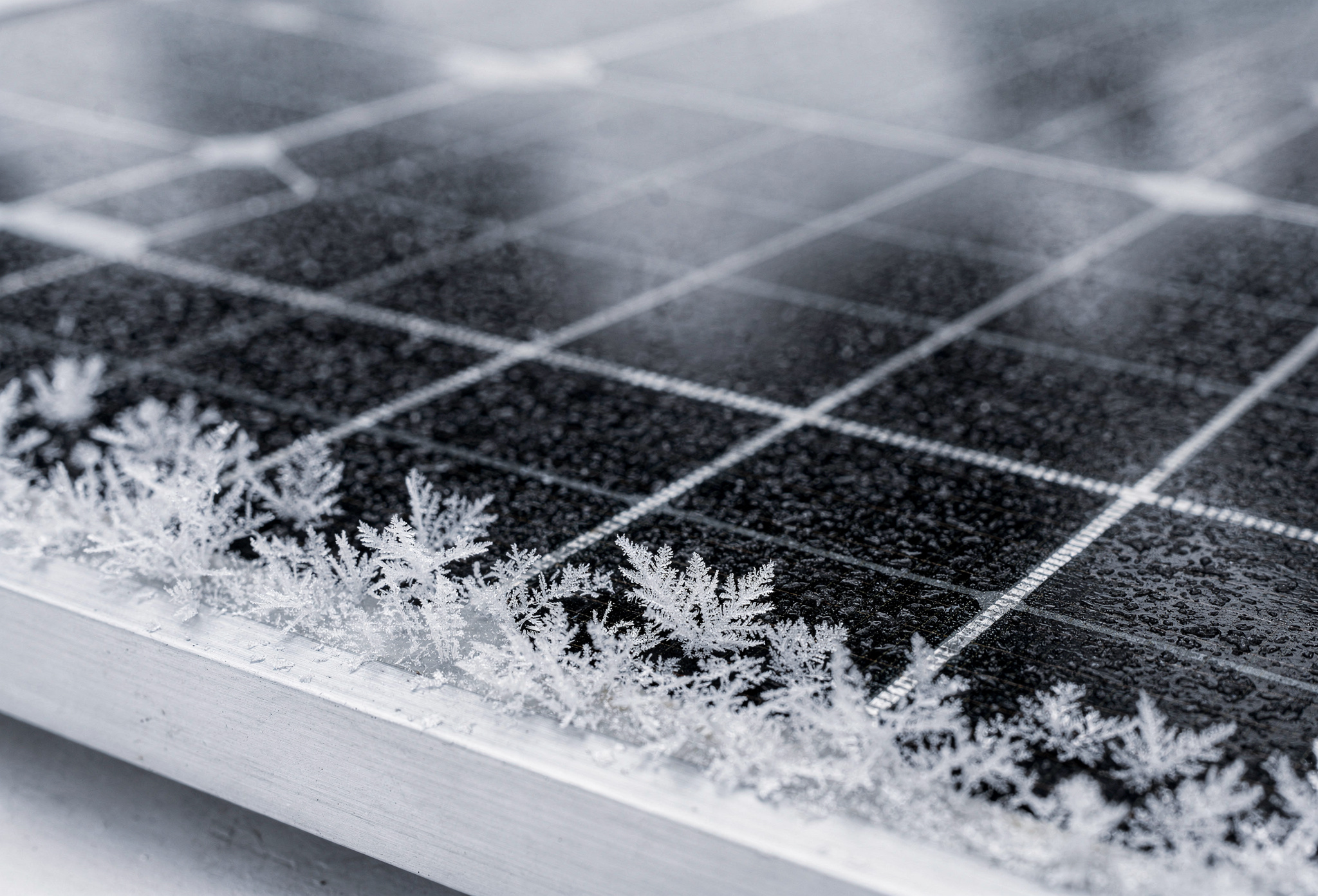
Close-up of a black solar panel surface with frost crystals along its lower frame

Monocrystalline

Cold-weather efficiency
Generally higher efficiency per panel and tends to hold output better in the low light of short winter days.
Relative cost
Usually carries a higher upfront price for the same installed capacity.
Snow shedding
The dark, uniform surface can warm quickly in sun, which may help snow slide off a little sooner.

Polycrystalline

Cold-weather efficiency
Slightly lower efficiency per panel; reliable, but may need a little more roof area for the same output.
Relative cost
Typically more budget-friendly per watt installed.
Snow shedding
Sheds snow adequately; performance in heavy snow usually depends more on roof pitch than on cell type.

The best choice depends on your roof size, orientation, and budget — not on one panel type being universally better.

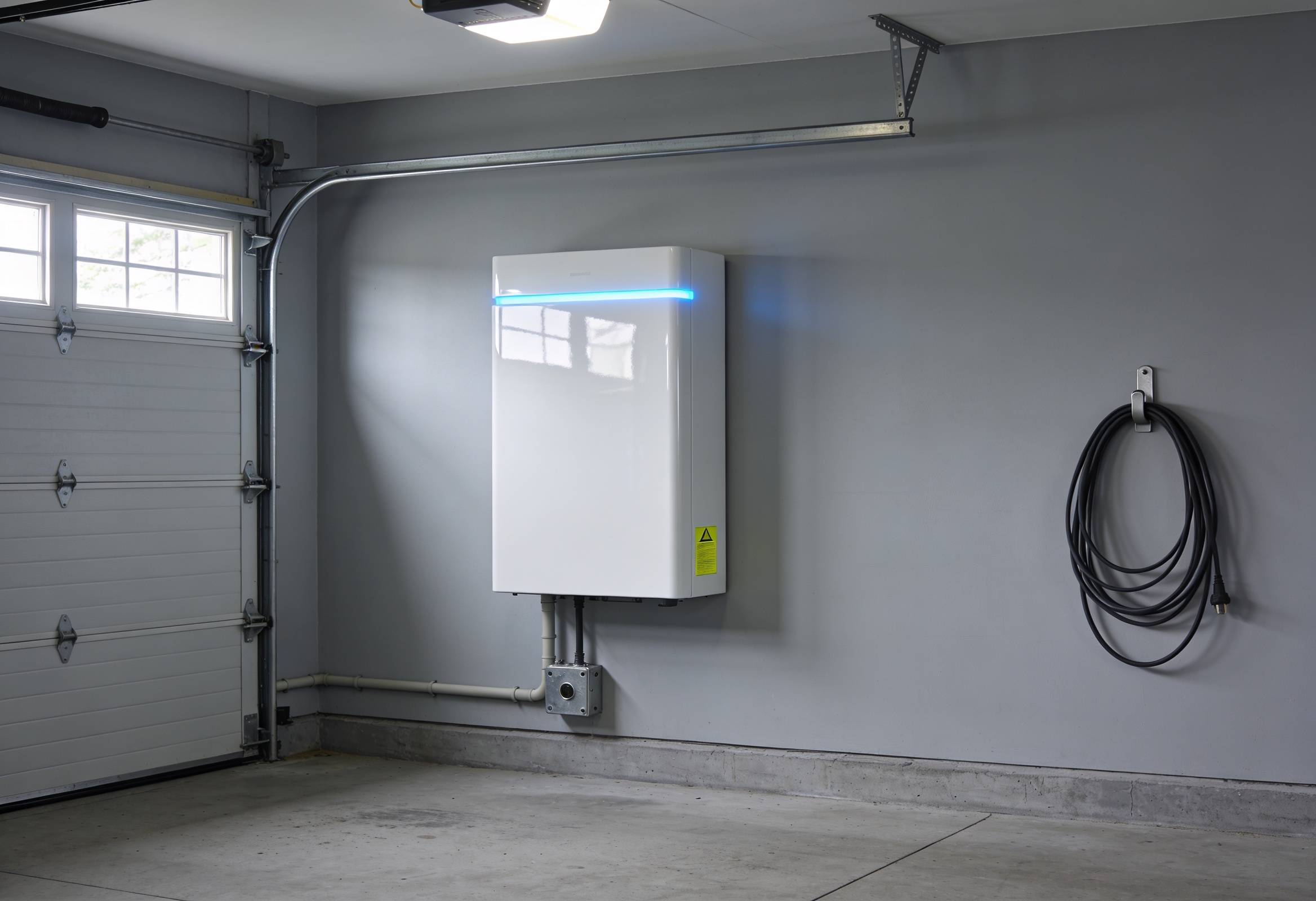
White wall-mounted home battery storage unit installed in a clean garage

Power When You Need It: Battery Storage Backup Explained

A home battery stores energy your panels produce during the day so it can be used later. Paired with a solar system, it adds a layer of resilience that grid-tied panels alone do not provide.

  • Outage backup. Keep essential circuits running during a power cut, depending on how the system is configured.
  • Evening usage. Draw on stored daytime energy after sunset instead of pulling everything from the grid.
  • Reduced grid reliance. Lean less on grid electricity at peak times, which may help manage energy costs.

Backup performance depends on system sizing and household consumption.

Navigating the Process: Municipal Permitting Timeline

Most residential solar projects move through four broad stages before the system goes live. Typical duration ranges are shown for each.

  1. Step 1

    Application

    Submit system plans and documentation to the municipality.

    ~1 – 2 weeks

  2. Step 2

    Structural Review

    Officials check that the roof and design meet local codes.

    ~2 – 4 weeks

  3. Step 3

    Approval

    The permit is issued and installation can be scheduled.

    ~1 – 3 weeks

  4. Step 4

    Inspection

    A final inspection confirms the system is safe to connect.

    ~1 – 2 weeks

Timelines vary by municipality, season, and project complexity. Treat these ranges as a general guide rather than a promise.

How to Read an Installer Quote

Before you sign, four areas of a quote deserve a close read so you can compare offers fairly.

  1. Equipment specifications

    Check the exact panel make, model, and wattage plus the inverter type, so you can compare quotes on equal terms.

  2. Warranty terms

    Look for separate product and performance warranties on the panels, plus a workmanship warranty from the installer.

  3. Total price breakdown

    Ask for an itemized cost — equipment, mounting, labour, permits, and monitoring — not just a single bottom-line figure.

  4. References and credentials

    Request recent local references and confirm the installer's licensing and insurance before you commit.

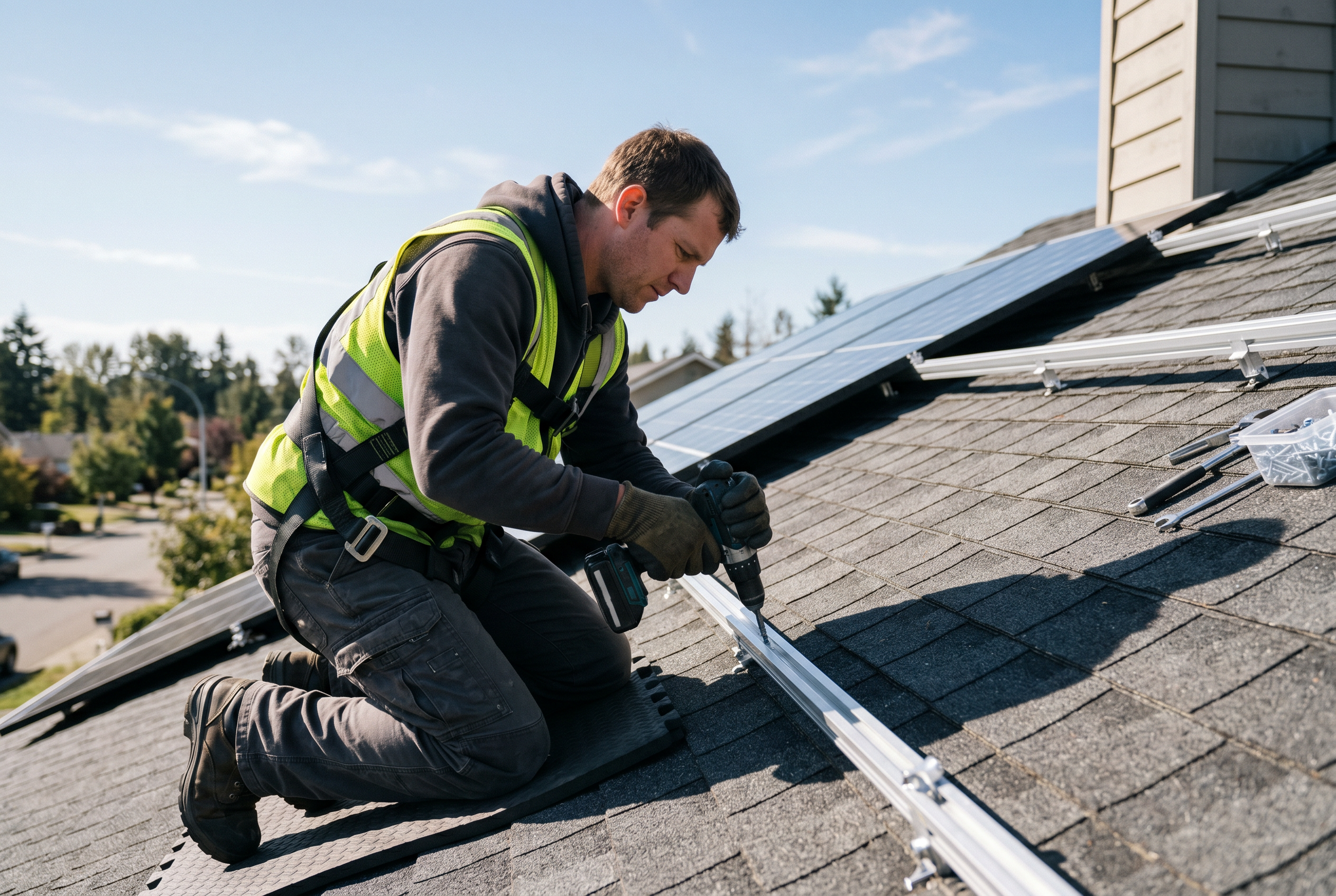
Solar installer in a hi-vis vest fastening mounting rails on a sloped roof

Reader Questions

Common questions Canadian homeowners ask about residential solar. Answers are general and use cautious language — your own situation may differ.

Do solar panels still produce power when there is snow?

Output typically drops while panels are covered, but production often resumes once the snow slides or melts off the glass. Many systems may help offset a meaningful share of annual use even in snowy regions, though winter output is generally lower than in summer.

How long does a residential solar system last?

Most quality panels are built to operate for around 25 years or more, with output gradually declining over time. Inverters may need replacement sooner. Actual lifespan depends on equipment quality, installation, and maintenance.

What financing options are commonly available?

Homeowners commonly consider a cash purchase, a home-equity line of credit, or financing offered through an installer. Each option has different cost implications, so it is wise to compare total interest and terms before deciding.

What do panel warranties usually cover?

Panels often carry a product warranty against defects and a separate performance warranty on output over time, while a workmanship warranty from the installer covers the installation itself. Always read what each warranty includes and excludes.

Is my roof suitable for solar?

Suitability depends on roof age, orientation, pitch, shading, and structural condition. A south-facing, unshaded roof in good repair is generally well suited, but only an on-site assessment can confirm whether your roof is a good fit.

Does solar affect my home's resale value?

Some studies suggest a paid-off, well-installed system may add to buyer appeal, but the effect varies by market and is not guaranteed. Leased or financed systems can complicate a sale, so keep your documentation handy.

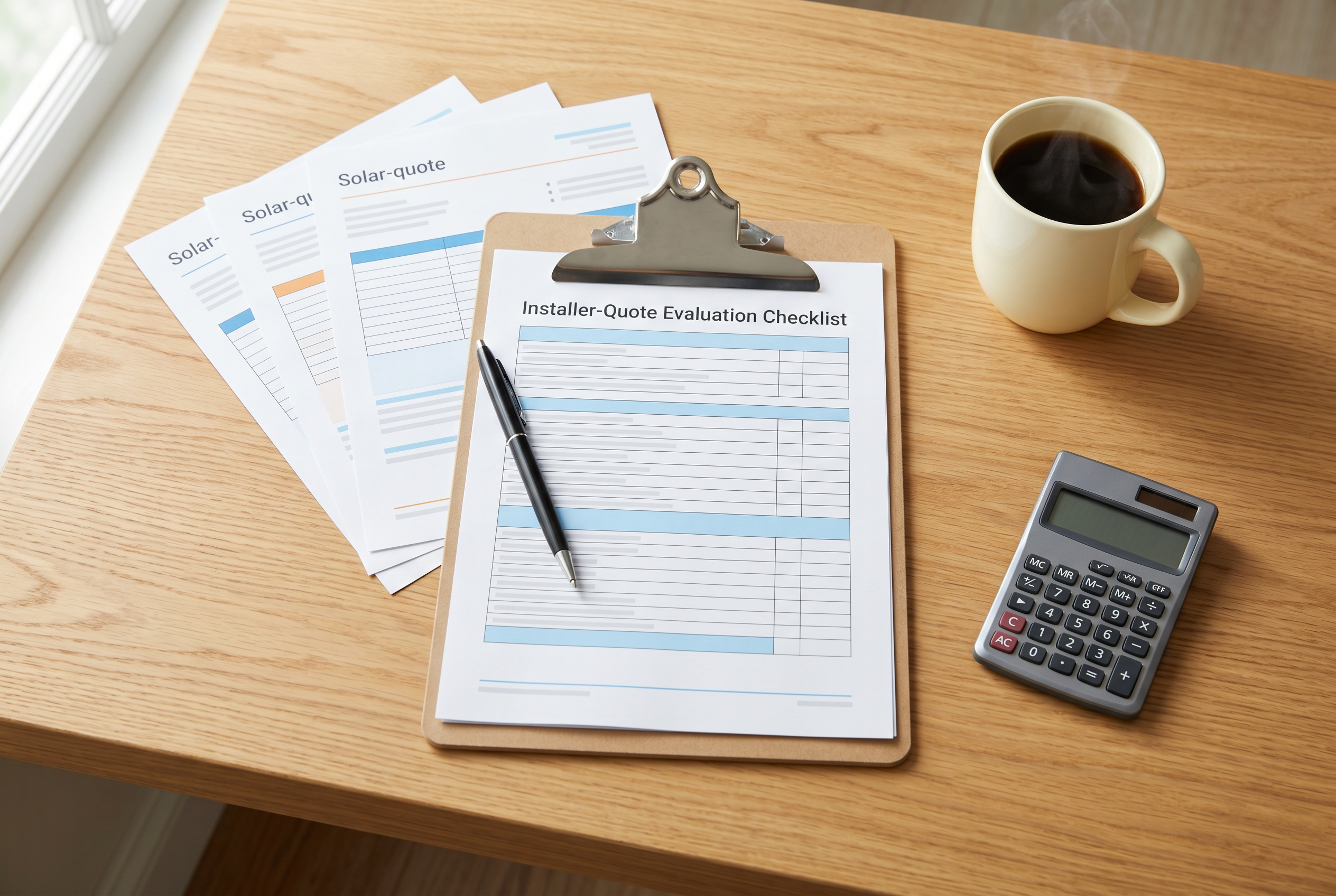
Download the Installer-Quote Evaluation Checklist

A free, print-ready PDF that walks you through exactly what to compare before you sign with any installer.

Request the Free Checklist
Overhead view of a quote-evaluation checklist on a clipboard beside coffee and a calculator

Risk Statement & Affiliate Disclosure

Risk Statement

Energy savings from residential solar depend on your location, roof condition, system size, orientation, shading, and household consumption patterns. Every cost figure, rebate, payback period, and savings estimate on this page is provided for educational purposes only and is not a guarantee. Before making any decision, verify current pricing, incentives, and program rules for your own situation. Individual results vary.

Affiliate Disclosure

Canadian Energy Guide is an independent consumer-education publisher. We are not an installer and we do not sell equipment. We may earn compensation when readers choose to connect with featured partner installers. This compensation helps fund our research and editorial work, but it does not affect how we present the risks, limitations, or comparisons on this site — our coverage of drawbacks and uncertainties is the same whether or not a company compensates us.

Request the Checklist

Tell us where to send the free Installer-Quote Evaluation Checklist and ask us anything about residential solar in Canada. Our editorial team reads every message.

Canadian Energy Guide

Independent consumer-education publisher

Publisher contact

editorial@canadianenergyguide.com

The checklist is free. Individual results vary; this is educational information, not financial advice.